





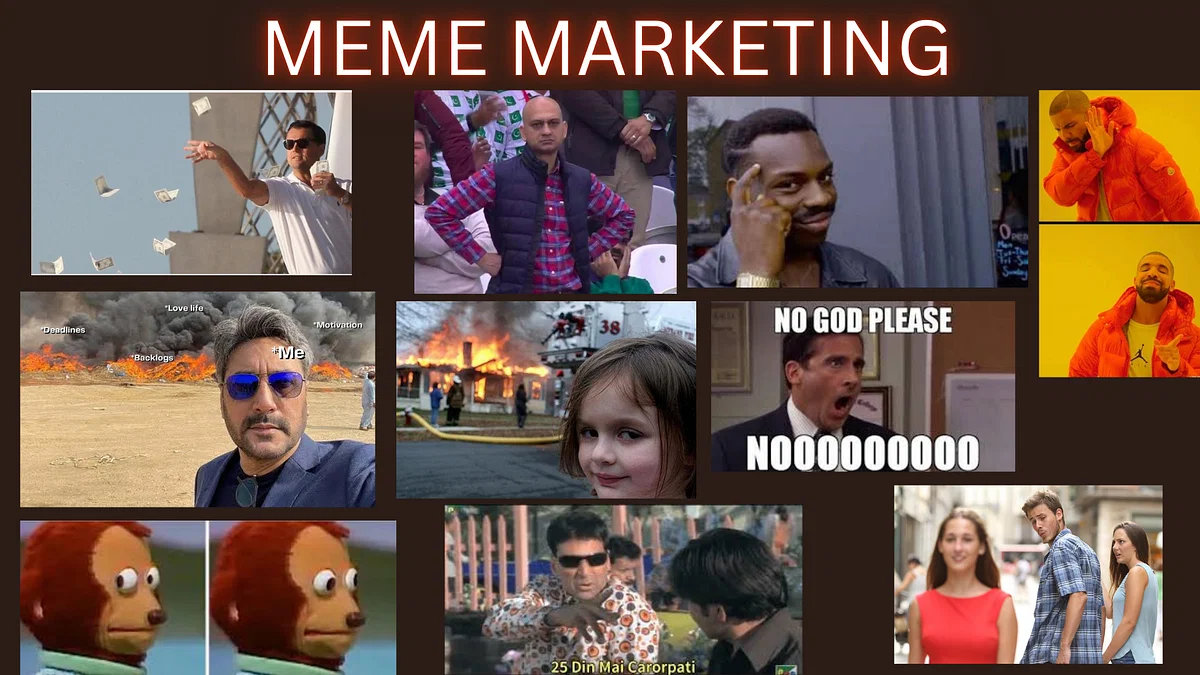
What started as internet humor has evolved into one of the most powerful cultural currencies online. Today, memes are not just shareable jokes—they are expressions of identity, emotion, and community belonging. Beyond the Meme: Why Meme Marketing Deserves a Central Role in Brand Strategy explores how meme marketing has matured into a serious brand-building tool, the challenges it presents, and how brands can ethically and creatively harness community-driven content.
In a digital environment where attention is scarce and skepticism is high, memes cut through because they feel native, not manufactured.
Why Meme Marketing Is Growing Faster Than Traditional Content
Memes thrive on relatability and speed. Unlike polished brand creatives, memes respond instantly to cultural moments, trends, and conversations. As a result, they travel faster and resonate deeper—especially with Gen Z and millennials.
Platforms like Instagram, X (formerly Twitter), and Reddit have become meme ecosystems where humor, commentary, and culture intersect. Brands that understand these spaces participate in culture rather than interrupt it.
Consequently, meme marketing has shifted from experimental to essential.
Beyond the Meme: Why Meme Marketing Deserves a Central Role in Brand Strategy
Traditional brand strategy often focuses on consistency and control. Meme marketing challenges this by prioritizing relevance and participation. However, this does not make it chaotic—it makes it adaptive.
Memes allow brands to:
-
Speak the language of their audience
-
React to real-time cultural moments
-
Humanize brand voice through humor
-
Build community through shared understanding
When used strategically, memes reinforce brand personality and values far more effectively than generic promotional content. Therefore, meme marketing deserves a seat at the strategy table—not just the social media calendar.
Memes as Cultural Signals, Not Just Content
Memes function as cultural shorthand. A single image or phrase can communicate frustration, joy, irony, or solidarity instantly. Brands that understand this avoid explaining themselves—they signal instead.
For example, a timely meme during a product launch can create emotional alignment before consumers even evaluate features. Hence, memes often influence perception before rational consideration begins.
Community Creativity Is the Real Power
The most successful meme marketing is rarely brand-originated. Instead, it is community-amplified.
Brands increasingly act as curators rather than creators—resharing, remixing, or responding to memes made by their audiences. This approach validates community creativity and strengthens loyalty.
However, this requires humility. Brands must be willing to let go of perfection and embrace internet logic. When done right, the audience becomes a co-creator, not just a consumer.
Legal and Ethical Challenges in Meme Marketing
Despite its appeal, meme marketing comes with risks.
Copyright and IP Issues:
Many memes use images, videos, or characters owned by third parties. Using them commercially without permission can lead to legal issues. Therefore, brands must distinguish between organic sharing and commercial exploitation.
Cultural Sensitivity:
Memes often rely on irony, sarcasm, or exaggeration. Without cultural awareness, brands risk offending communities or trivializing serious issues.
Attribution and Credit:
Ethically, brands should credit original creators where possible. Exploiting user-generated memes without acknowledgment can damage trust.
Hence, meme marketing demands legal awareness and ethical restraint on contents alongside creativity.
How Brands Can Use Meme Marketing Strategically
To harness meme marketing effectively, brands should follow clear principles:
-
Understand Before You Post
Every meme exists within a cultural context. Brands must understand origin, meaning, and current sentiment before participating. -
Align With Brand Voice
Not every meme suits every brand. Humor should feel authentic, not forced. Consistency matters even in playfulness. -
Empower Community Participation
Encourage remixing, replies, and user-generated memes. Engagement multiplies when audiences feel invited, not marketed to. -
Be Timely, Not Try-Hard
Late or overused memes signal brand detachment. Timing is critical. Therefore, speed often matters more than polish.
Why Meme Marketing Works Across the Funnel
Although memes are often associated with awareness, their impact extends further.
-
Top of Funnel: High reach and shareability
-
Mid Funnel: Brand affinity and relatability
-
Lower Funnel: Social proof and recall
When audiences laugh with a brand, not at it, trust builds. Over time, this emotional familiarity influences purchase decisions—often subconsciously.
Industries Winning With Meme Marketing
Several categories have embraced meme-led strategies:
-
Fintech & Apps: Humor around daily frustrations
-
OTT & Entertainment: Cultural commentary and fandom memes
-
D2C Brands: Relatable lifestyle humor
-
EdTech & Careers: Academic stress and aspiration memes
-
Technology: Self-aware humor around complexity
These industries benefit because memes mirror real-life emotions tied to their offerings.
The Future: Meme Marketing as Cultural Intelligence
Meme marketing is evolving from trend-chasing to cultural intelligence. It reflects how people feel, think, and communicate in real time.
Brands that invest in understanding meme culture gain more than engagement—they gain insight. As algorithms change and ad fatigue grows, cultural relevance becomes the most defensible advantage.
Conclusion: From Joke to Justified Strategy
Beyond the Meme lies a deeper truth: meme marketing works because it is human. It embraces humor, imperfection, and shared experience—things traditional advertising often avoids.
When approached thoughtfully, meme marketing deserves a central role in brand strategy. Not as a gimmick, but as a living, breathing expression of culture. In the attention economy, the brands that get the joke often get remembered.