





In the past few years, Over-The-Top (OTT) platforms have transformed how India consumes entertainment. With rising internet penetration and affordable smartphones, audiences are shifting from traditional TV to digital streaming. This rapid evolution has triggered an intense battle among OTT platforms—each striving to win over viewers through differentiated content, pricing, and innovative monetization models.
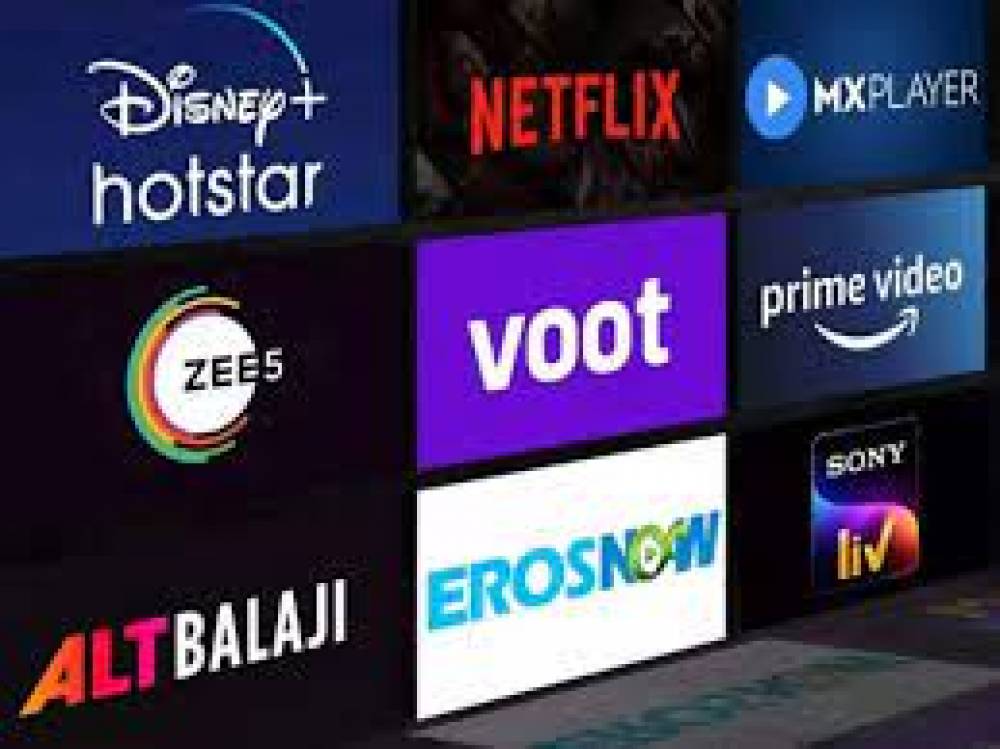
From Netflix and Disney+ Hotstar to Zee5, JioCinema, and Amazon Prime Video, every platform is racing to grab user attention while balancing advertising revenue and subscription models. For brands and marketers, this growing ecosystem presents an exciting opportunity to connect with highly segmented and engaged audiences.
Advertising Revenue: The Fuel Behind Free Streaming
In India, the ad-supported OTT model is gaining strong momentum. Unlike Western markets where subscriptions dominate, Indian audiences prefer free or low-cost access supported by advertisements. Platforms like MX Player, YouTube, and JioCinema have leveraged this behavior by offering AVOD (Advertising Video on Demand) models.
Advertisers benefit from precise targeting capabilities—based on demographics, viewing habits, and even device usage. OTT ads outperform traditional TV spots due to measurable performance metrics and contextual placement. Moreover, innovations like shoppable ads, branded mini-series, and interactive ad formats are driving higher engagement and recall.
As a result, advertising revenue in India’s OTT sector is expected to surpass ₹12,000 crore by 2026, with brands increasingly shifting TV budgets to digital video.
Subscription Models: Balancing Cost, Content, and Convenience
While free content dominates viewership numbers, subscription-based models (SVOD) are where platforms make premium revenue. Netflix, SonyLIV, and Disney+ Hotstar Premium target urban users who prefer ad-free experiences and early access to exclusive content.
The key challenge lies in balancing affordability with high-quality production. Many platforms now offer hybrid models—where users can watch select shows for free but must subscribe for premium series or early releases. Amazon Prime, for instance, combines content streaming with shopping benefits, creating a wider ecosystem of loyalty.
In regional markets, platforms like Hoichoi, Aha, and Sun NXT have succeeded by offering localized language content and flexible pricing plans, proving that personalization is the real differentiator in the subscription race.
Brand Opportunities: OTT as the New Advertising Playground
For brands, OTT advertising offers something that traditional channels rarely provide—precision, personalization, and performance. With detailed user insights, marketers can create campaigns that match audience behavior, interests, and intent.
Popular OTT ad formats include:
-
Pre-roll and mid-roll video ads: Short, high-impact storytelling opportunities.
-
Branded content and integrations: Subtle yet effective brand placements within shows or movies.
-
Interactive and clickable ads: Allowing users to explore offers or shop without leaving the stream.
OTT also opens up regional advertising opportunities. As audiences in Tier-II and Tier-III cities consume more digital content, brands can tailor messages in regional languages, making communication more relatable and impactful.
Data and AI: The Game-Changer for OTT Advertising
The OTT ecosystem thrives on data. Artificial Intelligence (AI) and Machine Learning (ML) enable platforms to recommend content, predict churn, and optimize ad placements in real time. For brands, this means access to sharper audience segments and improved ROI.
Advanced data analytics help advertisers understand viewing habits, preferred devices, and even emotional responses to content. As privacy regulations evolve, first-party data collected directly from OTT subscriptions will become crucial in shaping future marketing strategies.
The Future: Convergence of Entertainment and E-Commerce
The future of OTT platforms lies in convergence. Entertainment, shopping, and interactive advertising are beginning to merge. Imagine watching a web series and buying a character’s outfit directly from an in-video link—that’s the direction the industry is heading.
As 5G expands and smart TVs become more affordable, the battle among OTT platforms will only intensify. Those who successfully blend content, convenience, and commerce will emerge as leaders in the next digital decade.
Conclusion
The battle of the OTT platforms is more than a competition for eyeballs—it’s a race for sustainable monetization and viewer loyalty. While ad-supported models dominate in scale, subscription platforms thrive on exclusivity and experience.
For brands, OTT is no longer just a media channel—it’s a storytelling stage. With data-driven insights, regional focus, and creative formats, OTT advertising stands at the frontier of digital marketing in India. The winners will be those who can connect entertainment with engagement, and storytelling with sales.