





Advertising has always been about persuasion — but the way brands persuade audiences has evolved drastically. In 2025, the debate between emotional and rational advertising is more relevant than ever.
As consumers grow more informed and attention spans shrink, marketers face a critical question: Should ads appeal to the heart or the head?
The truth is, both approaches matter — but their effectiveness depends on context, category, and consumer mindset. Let’s explore how brands in 2025 are blending logic and emotion to drive results that are both measurable and memorable.
Understanding Emotional and Rational Advertising
Emotional Advertising
Emotional advertising focuses on feelings, storytelling, and human connection. It aims to evoke happiness, nostalgia, pride, empathy, or even fear to make audiences feel something meaningful about the brand.
Classic examples include campaigns like Coca-Cola’s “Open Happiness”, Nike’s “Just Do It”, or Cadbury’s “Kuch Khaas Hai”. These ads don’t sell products directly — they sell an experience or a belief.
In the modern context, emotional advertising is about creating brand love, fostering loyalty, and standing for something beyond commerce.
Rational Advertising
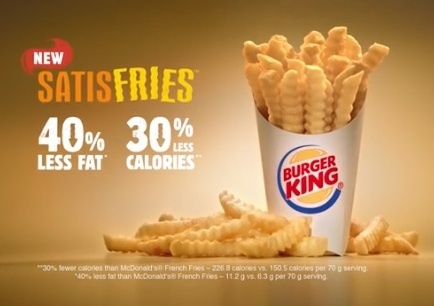
Rational advertising, on the other hand, appeals to logic, features, and benefits. It focuses on product attributes — price, quality, durability, performance, or innovation.
Rational ads are common in categories like tech, finance, healthcare, and e-commerce, where decisions rely on trust and practicality.
For instance, Samsung’s Galaxy comparisons or LIC’s insurance benefit ads clearly communicate why the product or service is the smart choice.
The 2025 Consumer Mindset: Emotion Meets Evaluation
The modern Indian consumer is emotionally aware and digitally informed. They don’t just respond to storytelling — they verify and evaluate.
The average consumer now researches multiple touchpoints before purchase: watching influencer reviews, comparing prices, and checking sustainability credentials. At the same time, they seek authentic emotional connection from brands that align with their values.
This duality means that 2025 isn’t about choosing emotional or rational advertising — it’s about knowing when and how to use each.
Why Emotional Advertising Still Dominates Attention
1. The Power of Feelings in Memory Retention
Research from Nielsen and IPA studies shows that emotionally charged campaigns deliver nearly twice the profit growth compared to rational campaigns.
Why? Because emotions help people remember brands longer. In a cluttered digital world, where users scroll past thousands of messages daily, emotional storytelling helps brands cut through noise and stick in memory.
2. Storytelling Builds Brand Equity
Stories humanize brands. Campaigns that make people feel something — joy, nostalgia, empathy, pride — often inspire them to take action, not out of logic, but out of connection.
Brands like Google India (“Reunion” ad) and Surf Excel (“Daag Achhe Hain”) have built long-term equity using emotional storytelling that celebrates shared human values.
3. Social Media Amplifies Emotional Impact
Emotionally resonant content performs better on social media because it triggers shares, comments, and conversations.
A funny reel, touching short film, or heartfelt festival ad spreads organically because people want to express their emotions by sharing.
In contrast, purely rational ads tend to remain confined to paid visibility.
When Rational Advertising Wins
1. High-Involvement or Risk-Based Purchases
For big-ticket categories like automobiles, finance, and healthcare, consumers demand facts. Rational advertising offers the information and assurance needed for decision-making.
For example, Maruti Suzuki emphasizes fuel efficiency and reliability, while HDFC Bank highlights security features and low-interest loans — practical benefits that build confidence.
2. New Product Launches and Innovations
When introducing something novel, brands must educate audiences first. Rational ads help explain why the product matters, how it works, and what differentiates it.
Tech brands like Apple, OnePlus, and Boat often lead with rational cues — specifications, features, and comparisons — before shifting to emotional storytelling post-launch.
3. B2B and Performance Marketing
In B2B or performance-driven campaigns, decisions are led by ROI, efficiency, and logic. Rational ad formats like whitepapers, explainer videos, or testimonial-based promotions are more effective than emotional appeals.
The Winning Formula: Emotional Storytelling Backed by Rational Proof
In 2025, the most successful campaigns combine both strategies. Consumers want emotional inspiration, but they also expect rational validation before committing to a purchase.
The ideal approach is what experts call the “Emotion–Logic Loop” — capture attention emotionally, then close the deal rationally.
1. Awareness: Lead with Emotion
Use emotional triggers to attract attention and create affinity. Show how your brand improves lives, not just products.
For example, an electric vehicle campaign might open with the message of “driving towards a cleaner India,” connecting emotionally before introducing rational benefits like battery range and savings.
2. Consideration: Reinforce with Facts
Once emotional appeal creates curiosity, support it with product performance metrics, testimonials, or social proof. This reassures consumers that their emotional connection aligns with logical value.
3. Conversion: Deliver Data-Backed Confidence
At the purchase stage, rational cues dominate. Promotions, comparison charts, and transparent pricing build trust. Consumers buy with their hearts, but they justify with their minds.
Case Study Insights (2025 Advertising Trends)
1. FMCG and Retail – Emotional Connect
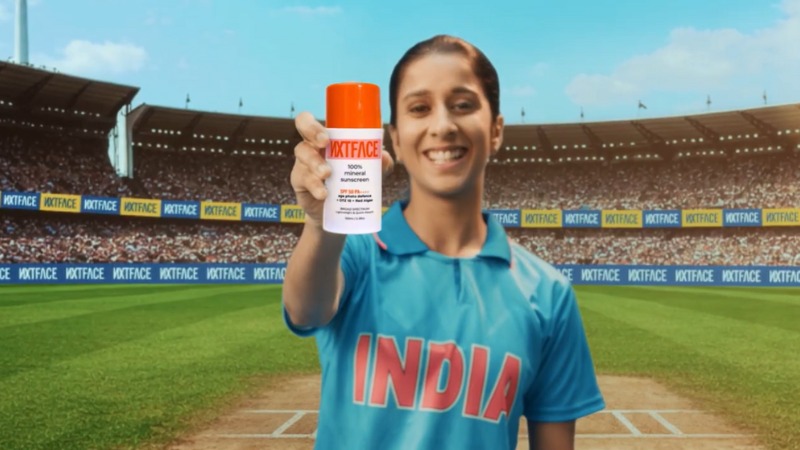
Brands like Cadbury Dairy Milk and Tanishq continue to lead emotional storytelling, aligning with family, festivals, and social themes. Their success lies in human-centric narratives that build long-term loyalty.
2. Tech and Auto – Rational Storytelling with Aspirational Edge
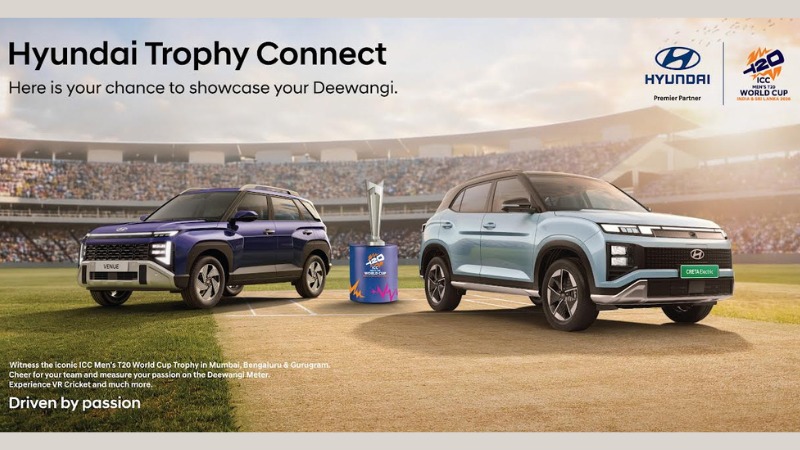
Brands such as Tata Motors and Samsung are blending feature-led advertising with aspirational emotion — combining rational performance proof with lifestyle-driven storytelling.
3. D2C and E-commerce – Rational Offers with Emotional Hooks
Online-first brands are using “emotional urgency” to drive conversions — such as limited-time deals framed with feelings of belonging (“Join our eco-conscious tribe”) or achievement (“Upgrade to smarter living”).
It’s the fusion of offer and emotion that drives action.
The Role of AI and Data in Crafting Emotional and Rational Ads
1. Sentiment Analysis for Emotional Precision
AI tools now analyze audience sentiment across social media, helping marketers understand which emotions drive engagement in real time.
For instance, if data shows users respond positively to “hope” or “nostalgia,” ad creatives can be fine-tuned instantly to amplify those tones.
2. Predictive Analytics for Rational Triggers
AI and predictive modeling help identify purchase intent signals — from browsing behavior to keyword searches. This ensures rational messaging (like price or performance) reaches high-intent users at the right stage.
3. Dynamic Creative Optimization (DCO)
With DOOH and digital platforms, AI allows dynamic ad switching — delivering emotional ads in the morning and rational ones during peak shopping hours.
This real-time adaptability makes modern advertising both efficient and empathetic.
What Works Best in 2025: The Hybrid Approach
In today’s fragmented media environment, purely emotional or purely rational campaigns rarely succeed alone. Consumers expect storytelling that entertains, informs, and reassures.
The winning formula blends:
-
Emotion for recall.
-
Rationale for decision-making.
-
Authenticity for trust.
In essence, ads that touch the heart and satisfy the mind drive both brand love and sales.
Conclusion
In 2025, emotional and rational advertising are not competitors — they’re collaborators. The most effective campaigns strike a balance: emotion sparks interest, logic sustains action.
As consumers grow smarter and attention becomes scarce, brands must master both science and storytelling. Emotional campaigns build long-term memory, while rational messages close the loop with confidence and clarity.
Ultimately, advertising that feels right and makes sense is what works — because in a world overflowing with information, connection still wins over conversion.