






In 2025, brand loyalty is no longer defined by price or product alone. Instead, it’s built on purpose, principles, and participation. Consumers today are not just buying what brands sell — they’re buying what brands stand for. This evolution has given rise to a new era of marketing built on brand activism, where companies actively engage with social, environmental, and ethical issues to align with their audience’s values.
For modern marketers, this shift represents both an opportunity and a responsibility. Brand activism isn’t just a PR trend — it’s a long-term loyalty strategy that reshapes how people perceive, trust, and connect with brands.
What Is Brand Activism?
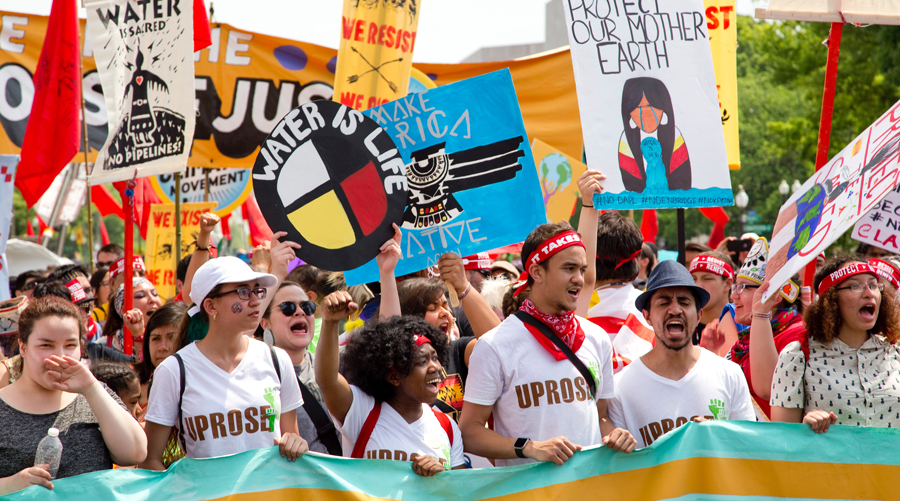
Brand activism goes beyond corporate social responsibility (CSR). It involves brands taking a public stance on societal or political issues, advocating for real change rather than simply contributing to charity or sustainability programs.
It could mean supporting gender equality, addressing climate change, promoting diversity, or standing up for digital privacy. The difference lies in authenticity — brand activism speaks, acts, and sustains its voice over time.
In 2025, this form of engagement has moved mainstream, with consumers rewarding companies that show courage, transparency, and integrity in their actions.
Why Brand Activism Matters More Than Ever
1. A Value-Driven Generation Takes the Lead
Millennials and Gen Z now make up over 60% of India’s active consumer base. They are digitally connected, socially aware, and emotionally intelligent. For them, brand loyalty is built on shared values rather than traditional advertising.
Studies show that nearly 70% of young consumers prefer to engage with brands that demonstrate ethical commitments. This audience doesn’t just want products — they want to support brands with purpose.
2. The Decline of Passive Consumption
Gone are the days when consumers were silent spectators. Today’s audiences demand accountability and expect action. A brand’s silence on key issues can hurt its reputation as much as a bad product review.
Consumers evaluate whether a brand’s messaging aligns with its behavior. When brands speak up authentically — about sustainability, equality, or transparency — they build emotional equity that translates into long-term loyalty.
3. The Social Media Amplifier
Social media has become the frontline for activism. Platforms like Instagram, LinkedIn, and X (formerly Twitter) allow consumers to instantly praise, question, or criticize brand actions.
When brands use these platforms to advocate responsibly — not just promote — they become part of a larger community conversation. This two-way dialogue fosters trust, empathy, and advocacy, driving deeper brand relationships.
How Brand Activism Builds Consumer Loyalty
1. Authentic Alignment Builds Trust
Consumers can quickly spot performative activism. Superficial gestures, inconsistent communication, or greenwashing can backfire and erode trust.
Successful brand activism begins with authentic alignment — integrating purpose into operations, communication, and partnerships. When a brand’s beliefs match its behavior, it earns consumer respect and emotional loyalty.
For instance, sustainable fashion brands that emphasize ethical sourcing and fair wages don’t just sell clothes — they sell confidence in conscious consumption.
2. Purpose-Driven Storytelling Enhances Engagement
In 2025, purpose is the new marketing narrative. Brands that combine storytelling with activism make audiences feel like participants, not just purchasers.
Campaigns that highlight real stories — employees volunteering, carbon-neutral initiatives, women-led leadership programs — create authenticity and relatability. This approach humanizes the brand and fosters long-term emotional bonds.
3. Emotional Connection Outlasts Transactional Benefits
Discounts and deals create short-term sales, but purpose creates long-term attachment.
When consumers believe in a brand’s mission, they forgive occasional mistakes, advocate for the brand online, and stay loyal even when competitors offer better prices. This emotional connection transforms customers into community supporters and brand ambassadors.
Types of Brand Activism Leading in 2025
1. Environmental Activism
With climate anxiety at an all-time high, sustainability is now central to brand communication. From carbon-neutral packaging to zero-waste supply chains, consumers expect brands to reduce their ecological footprint.
Brands like outdoor gear companies, electric vehicle manufacturers, and FMCG leaders are promoting green campaigns that combine accountability with innovation.
2. Social Equality and Inclusion
Inclusion has become a core loyalty driver. Consumers appreciate brands that promote diversity in advertising, ensure equal workplace opportunities, and take visible stands against discrimination.
Inclusive branding is no longer about token representation — it’s about authentic cultural empathy that resonates across gender, ethnicity, and ability.
3. Ethical Technology and Privacy
In a world dominated by data, consumers value brands that protect privacy. Tech and e-commerce companies that commit to data transparency and digital ethics are winning loyalty through trust.
By explaining how user data is used, brands demonstrate respect for consumer autonomy — a key component of modern brand trust.
4. Local and Community Activism
In India, local brand activism is also gaining momentum. Businesses that invest in community welfare, rural education, and small-scale employment are becoming consumer favorites.
These initiatives show that brands are not just selling products but building progress.
Challenges of Brand Activism
1. Risk of Polarization
Taking a stand often means taking sides. Not all consumers will agree with a brand’s position, and that can lead to backlash or boycotts. Marketers must balance conviction with empathy — ensuring that campaigns are inclusive yet impactful.
2. Authenticity Under Scrutiny
Modern consumers research before they believe. Brands must ensure that every claim is supported by action and data. Empty promises can lead to accusations of hypocrisy and damage years of reputation building.
3. Short-Term vs. Long-Term Activism
Some brands treat activism as a campaign theme rather than a corporate philosophy. True brand activism requires consistency — integrating purpose into hiring practices, sourcing, and community impact.
Only sustained efforts lead to loyalty and advocacy.
The Indian Context: Purpose Meets Progress
India’s consumer landscape in 2025 is uniquely positioned for brand activism. With rising environmental awareness, Gen Z entrepreneurship, and digital penetration, consumers expect brands to represent social progress and cultural sensitivity.
Brands supporting causes like women’s empowerment, clean energy, and local craftsmanship are gaining market share — not just attention. Purpose is becoming a differentiator in an increasingly crowded advertising ecosystem.
How Marketers Can Leverage Brand Activism Strategically
-
Start with internal alignment: Employees must embody the brand’s purpose before it goes public.
-
Be transparent and measurable: Publish sustainability or social impact reports that track progress.
-
Collaborate with credible partners: Partner with NGOs, social enterprises, or verified local groups.
-
Communicate through action: Let real impact drive storytelling — not the other way around.
-
Encourage consumer participation: Turn activism into community involvement through volunteering or donation matching.
When executed sincerely, brand activism becomes a growth strategy, not a cost center.
The Future of Brand Loyalty
In 2025 and beyond, loyalty will be earned through shared purpose and social authenticity. Consumers want brands that help them express their beliefs, not just enhance their lifestyles.
The brands that thrive will be those that speak bravely, act consistently, and inspire collectively. In this new era, activism isn’t an option — it’s the expectation.
Conclusion
Brand activism has redefined the foundation of consumer loyalty. It has transformed brand communication from sales-driven to value-driven, and audiences from passive buyers to active believers.
In 2025, loyalty belongs to brands that are bold enough to stand for something real — sustainability, equality, integrity, or inclusion — and act on it consistently.
As the line between marketing and morality blurs, one truth stands clear:
The brands that lead with conscience will lead the market.