





Why short attention spans are forcing brands to rethink narrative structure to improve clarity, recall, and storytelling impact.

Why Short Attention Spans Are Forcing Brands to Rethink Narrative Structure

Attention and short attention spans has become one of the most limited resources in modern marketing. Consumers scroll faster, skip sooner, and process content in fragments. As a result, traditional storytelling formats—built on gradual build-up and linear progression—are losing effectiveness. Brands can no longer assume that audiences will stay long enough to reach the message…

Read More
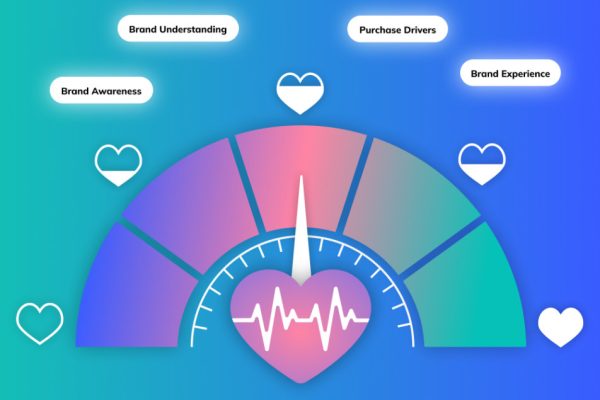
The growing importance of offline signals reflects a broader shift in how brand health is understood. True brand strength cannot be measured solely through clicks and views.

The Growing Importance of Offline Signals in Measuring Brand Health

For years, brand health measurement has leaned heavily on digital metrics. Click-through rates, impressions, engagement, and attribution models have dominated marketing dashboards. However, as digital ecosystems become increasingly complex and algorithm-driven, these indicators alone no longer provide a complete picture. Brands are now recognizing a critical gap: many of the strongest indicators of brand strength…

Read More
CMOs Are Rebuilding Brand Recall

How CMOs Are Rebuilding Brand Recall in an Algorithm-Driven Media World

Marketing has entered an era dominated by algorithms. From social feeds and search results to programmatic advertising and content recommendations, algorithms now decide what consumers see, when they see it, and how often it appears. While this system improves efficiency, it has quietly weakened brand recall. Performance metrics may look strong, yet long-term memory and…

Read More
Creative fatigue cannot be solved by design alone. Media planning now considers exposure pacing, context, and environment.

How Consumer Fatigue Is Changing Creative Formats Across Media Channels

Consumers today are exposed to more advertising than at any other time in history. From digital feeds and streaming platforms to outdoor screens and mobile notifications, brand messages compete relentlessly for attention. As a result, consumer fatigue has become one of the most significant challenges facing modern marketers. When audiences feel overwhelmed, they disengage. Messages…

Read More
Marketing in the age of overchoice shows how simplifying brand messaging without losing impact improves clarity and consumer decisions.

Marketing in the Age of Overchoice: Simplifying Brand Messaging Without Losing Impact

Modern consumers face an overwhelming number of choices every day. From product categories and pricing plans to platforms and promotions, decision-making has become increasingly complex. This phenomenon—known as overchoice—has reshaped how audiences interact with brands. Instead of empowering consumers, excessive options often create confusion, hesitation, and decision fatigue. As a result, brands that communicate too…

Read More
Why Physical Brand Presence Is Becoming a Trust Signal in Digital-First Markets

Why Physical Brand Presence Is Becoming a Trust Signal in Digital-First Markets

Digital-first markets have transformed how consumers discover, evaluate, and purchase brands. Mobile apps, social platforms, and e-commerce have reduced the need for physical interaction. However, an unexpected shift is now emerging. Despite digital dominance, consumers increasingly trust brands they can physically see. In crowded online ecosystems filled with sponsored posts, influencer promotions, and algorithm-driven messaging,…

Read More
Urban commuters interacting with multiple digital screens

The Rise of Micro-Moments Marketing in High-Frequency Urban Environments

Urban consumers today live in constant motion. From metro platforms and office elevators to mobile screens and digital billboards, their exposure to information occurs in rapid, fragmented intervals. These brief interaction windows—often lasting only a few seconds—have given rise to a powerful marketing approach known as micro-moments marketing. As cities become denser and consumer attention…

Read More
A person scrolling rapidly on a smartphone while multiple ads, notifications, and brand messages blur in the background.

How Brands Are Designing Communication Strategies for Zero-Attention Consumers

Consumer attention has become one of the scarcest resources in modern marketing. Today’s audiences scroll faster, skip ads quicker, and multitask constantly across multiple screens. As a result, brands now face a critical challenge—how to communicate effectively with zero-attention consumers. Instead of relying on long-form messaging, companies are redesigning their communication strategies to deliver instant…

Read More
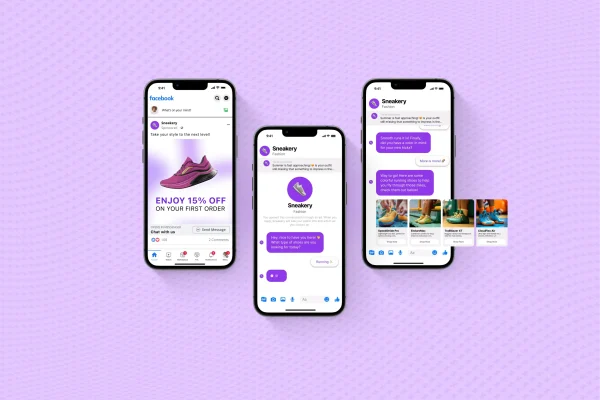
In an age of instant messaging, voice assistants, and AI copilots, consumers no longer want to click endlessly. They want to ask, converse, and decide—in the moment.

The Rise of Conversational Advertising: From Chatbots to Immersive AI Touchpoints

For decades, advertising has been largely one-way. Brands spoke, consumers listened—or ignored. That model is rapidly breaking down. Today, conversational advertising is redefining how brands and consumers interact by enabling real-time, two-way dialogue across platforms. The Rise of Conversational Advertising: From Chatbots to Immersive AI Touchpoints captures how conversational AI is reshaping the journey from…

Read More